What if justice could see beyond actions, right into the brain that shaped them? That’s exactly what forensic neurology is making possible. The field is providing courts with a new lens to understand human behavior, where justice becomes more about unbiased and accurate analysis of what’s happening inside the brain.
Table of Contents
ToggleGone are the days when criminal cases relied solely on witness statements and physical evidence, because today, forensic neurologists are offering comprehensive neurological assessments that help judges and juries understand the why behind the what. So, let’s take a closer look at how forensic neurology is reshaping the criminal justice system, not by excusing behavior, but by explaining it in ways that were once unimaginable.
The Brain Behind the Crime
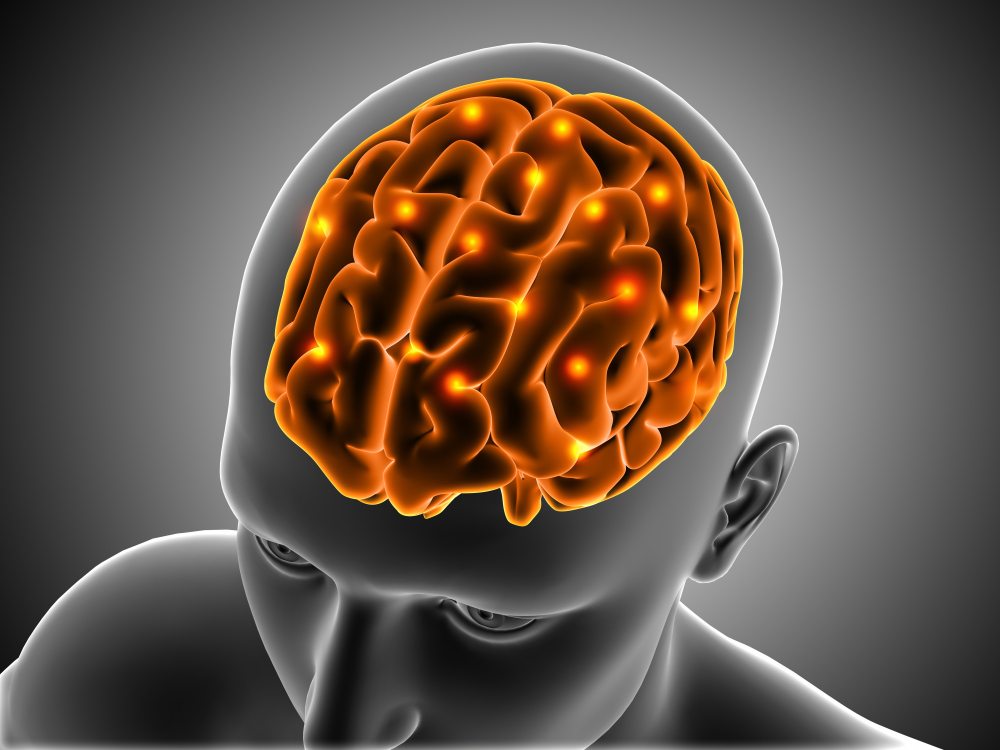
Forensic neurology delves deeply into the biological foundations of criminal behavior. So, it’s not just about what someone did; it’s about why they did it. Neurologists working in this field study brain structure, injuries, and disorders to uncover links between neurological conditions and behavior.
You can think of it this way: When someone has a brain tumor in the frontal lobe, i.e., the part of the brain that manages impulse control, their behavior and decision-making can be significantly affected. If such a condition leads to harmful or unexpected actions, determining responsibility becomes more complex. In personal injury cases, forensic neurologists play a crucial role in helping courts understand how much of a person’s behavior may be linked to their medical condition. By bringing clear medical evidence and ethical insight to the table, they help ensure that compensation decisions are fair, accurate, and grounded in science.
When Neuroscience Backs Justice
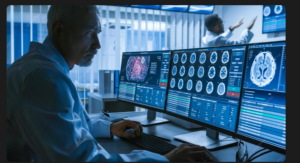
In many criminal cases, defendants undergo brain imaging tests (such as MRI or EEG scans) to assess whether neurological issues may have influenced their decisions. This neurological evidence can sometimes reduce sentences, shape rehabilitation plans, or even prove innocence.
Additionally, a neurology expert witness can help the judge and jury understand MRI, DTI, or other brain assessment data, enabling legal experts to comprehend exactly what is happening inside someone’s brain, where the trauma is located, and how it will impact a person’s life and overall well-being.
To make things clear, here’s a quick look at how forensic neurology compares to other related fields:
| Field | Focus Area | Use in the Justice System |
| Forensic Neurology | Brain function and neurological disorders | Links brain abnormalities to behavior |
| Forensic Psychiatry | Mental disorders and emotional states | Determines criminal responsibility and competency |
Not a Free Pass, But a Deeper Perspective
Let’s be very clear, forensic neurology doesn’t excuse crime. It doesn’t let people off the hook because “their brain made them do it.” Instead, it offers context. By understanding the neurological underpinnings of a person’s actions, courts can make fairer judgments and distinguish between genuine medical conditions and intentional wrongdoing.
For instance, a traumatic brain injury (TBI) might explain sudden aggression or poor impulse control. But with treatment and monitoring, rehabilitation is possible. This knowledge enables the justice system to craft sentences that prioritize correction over punishment.
Conclusion
Forensic neurology is more than a medical marvel; it’s a mirror reflecting how deeply unbiased the justice system can become. By looking inside the brain, we are not just decoding crime; we are rediscovering compassion, fairness, and the complex flick between mind and morality. As science continues to unfold the mysteries of the brain, one thing’s for sure- the courtroom of the future might look less like a battle of words and more like a conversation between law and neurons.
Looking for a forensic neurologist or a reliable and unbiased neurologist expert witness? Reach out to our team at Neuro Experts, PC today!