Imagine what it is like when you are struggling to remember simple things, like feeling constantly on edge, snapping at people you love, and not knowing whether your brain is injured, traumatized, or both. While this sounds brutally painful, for many individuals after accidents, military service, or violent events, this confusion is very real. Traumatic Brain Injury (TBI) and Post-Traumatic Stress Disorder (PTSD) often show up together, overlap in symptoms, and blur the path to proper treatment. When the diagnosis is unclear, recovery can feel even further away.
Table of Contents
ToggleSo, without further ado, let’s break things down in a way that actually makes sense.
Where TBI and PTSD Overlap (and Where They Don’t)
TBI is caused by a physical injury to the brain, such as a fall, blast, or collision. PTSD is a psychological condition that develops after experiencing or witnessing trauma. Yes, there might be different causes, but many shared symptoms. People with either condition may experience:
- Memory and concentration problems
- Sleep disturbances
- Irritability or mood swings
- Fatigue
- Anxiety or depression
- Headaches or dizziness
Besides these common symptoms, some unique symptoms help clinicians tell these two conditions apart:
| Symptom Type | Common in TBI | Common in PTSD |
| Headaches and balance issues | Yes | No |
| Sensitivity to light/noise | Yes | No |
| Flashbacks and nightmares | No | Yes |
| Avoidance of trauma reminders | No | Yes |
| Hypervigilance/ startle response | No | Yes |
| Slowed thinking/ processing | Yes | No |
Because these symptoms overlap so much, many people are misdiagnosed or only partially diagnosed at first, and it’s only then that specialized testing becomes essential.
How Neuropsychological Testing Brings Clarity?
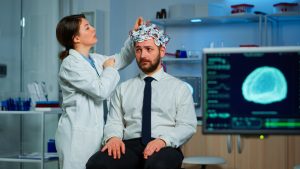
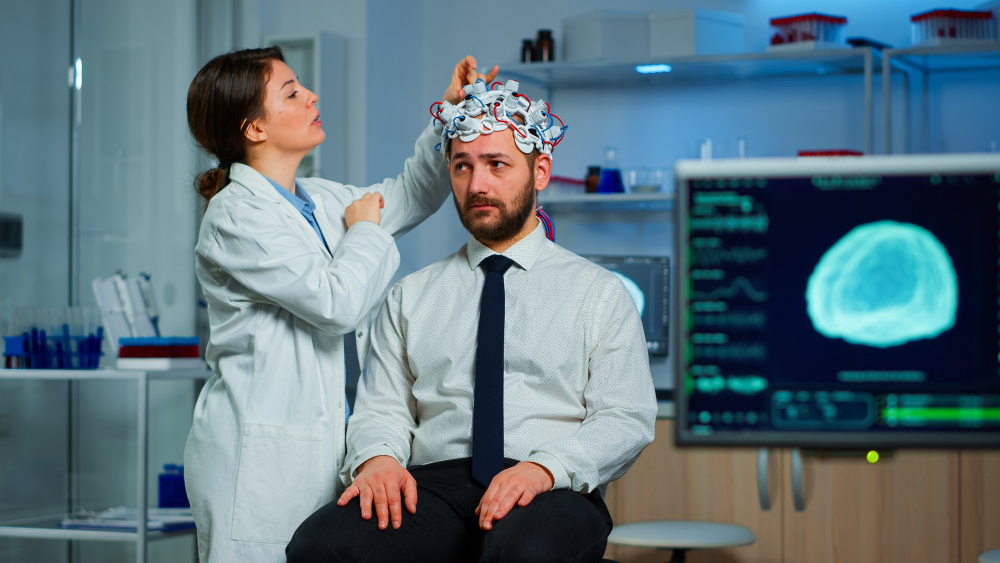
When the symptoms are tangled, neuropsychological assessments help untangle them, and these evaluations go beyond a basic questionnaire. A neuropsychologist uses standardized tests to measure:
- Memory and attention
- Processing speed
- Problem-solving
- Emotional functioning
- Behavioral changes
This testing helps answer critical questions like:
- Are memory problems due to brain injury or trauma-related stress?
- Is slowed thinking neurological, emotional, or both?
- Which symptoms are most likely to respond to therapy, medication, or rehabilitation?
With this clarity, treatment becomes targeted rather than guesswork. Thus, clinicians can design a plan that addresses both the physical and psychological components of recovery, rather than treating only one side of the problem.
Can PTSD Therapy Still Work with TBI?
Here’s something that many patients worry about:
“If I have a brain injury, will PTSD therapy even help?” The encouraging answer is: YES.
Research shows that evidence-based PTSD treatments, such as Cognitive Processing Therapy (CPT) and Prolonged Exposure (PE), can still be effective for individuals with mild to moderate TBI. In fact, these therapies can help patients:
- Process traumatic memories safely
- Reduce avoidance behaviors
- Improve emotional regulation
- Rebuild confidence and daily functioning
When therapy is adapted to accommodate attention, memory, or processing challenges, outcomes are often just as positive as in patients without brain injuries, or in other words, a TBI diagnosis doesn’t close the door on a meaningful PTSD recovery session.
Why Integrated Care Matters?
Treating PTSD without addressing brain injury can leave cognitive symptoms unresolved because if you are treating TBI without addressing trauma, it can leave emotional wounds wide open. Here’s the most effective approach that brings everything together:
- Neuropsychological evaluation
- Neurology or rehabilitation care
- Trauma-informed mental health treatment
This whole-person strategy improves diagnosis, speeds recovery, and helps patients reclaim independence, relationships, and quality of life.
Take the Next Step with Neuro Experts, OC
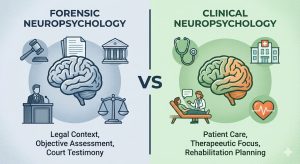
If you or your client is facing the complex reality of TBI with PTSD, you don’t have to navigate it alone. Neuro Experts, PC provides specialized neuropsychological assessments that clarify confusing symptoms and support accurate diagnosis, treatment planning, and legal or clinical decision-making.
Whether it is for clinical care, personal recovery, or forensic evaluation, their expertise helps ensure no symptom is misunderstood, and no patient is overlooked. For more information or to schedule a consultation, reach out to Neuro Experts, PC today and take the first confident step toward answers, healing, and a better path forward.