
Have you ever wondered what happens when a single misread medical scan turns someone’s life upside down? Imagine being a parent who is suddenly accused of harming their own child, all because an imaging report was interpreted incorrectly. Unfortunately, that’s not a hypothetical; it’s exactly what happened in a case that reminds us why, in high-stakes situations, precision in neuroradiology isn’t optional- it’s imperative.
Table of Contents
ToggleTo help make things clearer, this is the story of how a 7-month-old infant was misdiagnosed as a victim of child abuse, and how expert neuroradiologists are helping to uncover the truth.
A Diagnosis that Changed Everything
When the baby was brought to the emergency department with seizures, the initial CT and MRI scans showed subdural and intraparenchymal bleeding and skull fractures. That report alone was enough for authorities to intervene.
After the report, the father lost custody, the child was removed from the home, and supervised visits became the only way in which he could see his child for years. Can you imagine the devastation, the helplessness, and the emotional toll the father would have faced? And for two long years, the initial interpretation stood unchallenged.
How A Second Look from a Specialist Changed the Game?
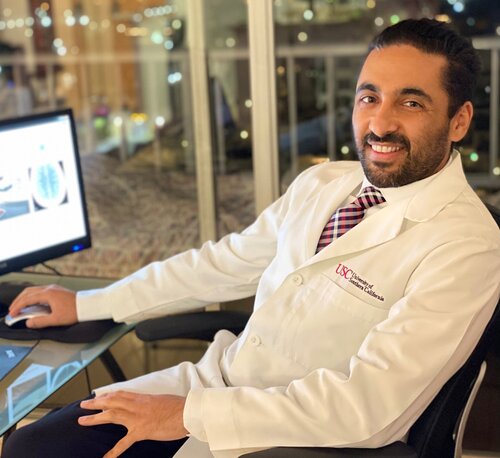
Dr. Hazany was then consulted to review the case, and what he found completely rewrote the narrative. He didn’t just glance over the scans; he re-examined the entire CT/MRI series along with the skeletal survey, and his findings concluded:
- The bleeding pattern wasn’t consistent with trauma at all.
- It was due to venous-sinus occlusion with reflux bilateral brain parenchymal and subdural hemorrhage, which is a medical condition, not abuse.
- The supposed “skull fractures” were primarily normal cranial suture variants that are common in infants.
In other words, the original conclusion of non-accidental trauma was simply wrong.
The Outcome: Truth Restored and Family Reunited
Once Dr. Hazany’s analysis was presented, the entire abuse allegation collapsed. Custody restrictions were lifted, and the defense team avoided a risky trial. The case is now moving toward dismissal, and even proposing a motion for damages.
This wasn’t just a win; it was a life restored, a family reunited, and a formidable example of how subspecialty neuroradiology can turn the tide in wrongful-abuse cases.
Quick Snapshot of the Case:
| Aspect | Details |
| Matter type | Wrongful child abuse (non-accidental trauma) allegation (defense) |
| Patient | 7-month-old infant with seizures |
| Initial interpretation | Bilateral subdural and intraparenchymal bleed + Skull fractures |
| Expert finding | Venous-sinus occlusion; normal sutures |
| Outcome | The allegation was withdrawn, and custody was restored. |
The Significance of This Case for Attorneys
In pediatrics, the line between trauma, pathology related to underlying disease, and normal development is thin… unless you know exactly what you are looking at.
As Dr. Hazany puts it:
“The takeaway is that image interpretation demands subspecialty expertise.”
This is why attorneys and judges increasingly rely on credentialed expert neuroradiologists to challenge incorrect diagnoses, and as a result, reduce trial risk and strengthen their case strategy from day one.
Conclusion
In medicine, misinterpretation can cost lives. In the legal system, it can cost families. But when specialized neuroradiology steps in, it can make a world of difference between a broken family and a healed one.
Need expert neuroradiology support? From high-credibility imaging reviews to expert witness support, the subspecialty neuroradiologists at Neuro Experts, PC, provide the precision and clarity your case deserves. Reach out today to ensure your next case is backed by authoritative, courtroom-ready expertise.