If you have ever wondered how doctors and scientists uncover what really happens inside the brain after a traumatic brain injury (TBI), you are about to be amazed. The brain is a beautifully complex organ, and when it suffers trauma- whether from an accident, a fall, or a blast- understanding the full impact isn’t as simple as a scan or test. That’s where Neuro Experts step in with their comprehensive approach to forensic TBI neuroimaging, which combines advanced science, expert insight, and technology to uncover the hidden truths behind brain injuries.
Table of Contents
ToggleA Multi-Dimensional Approach to TBI Analysis
Think about it: what happens when two people experience similar head trauma, but one fully recovers while the other struggles with memory loss, fatigue, and mood changes for years? If this is the case and you are wondering why this is happening, the answer often lies in the details —details that conventional CT or MRI scans may miss.
Neuro Experts bridge that gap through a layered evaluation process that combines neuropsychological testing, EEG analysis, and advanced neuroimaging. When it comes to brain injuries, one method isn’t enough, which is why Neuro Experts take a comprehensive, multi-step approach to ensure that no subtle change goes unnoticed.
| Component | Purpose | What It Reveals |
| Neuropsychological Testing | Assesses cognitive and emotional function | The impact on memory, attention, and overall behavior |
| Clinical Neurological Assessment | Examines physical and motor symptoms | Reflexes, coordination, and movement disorders |
| EEG Analysis | Measure brainwave activity | Seizures, sleep abnormalities, or slowed brain function |
| Neuroradiology/ Neuroimaging | Visualizes structural and functional changes | Brain damage, atrophy, or connectivity issues |
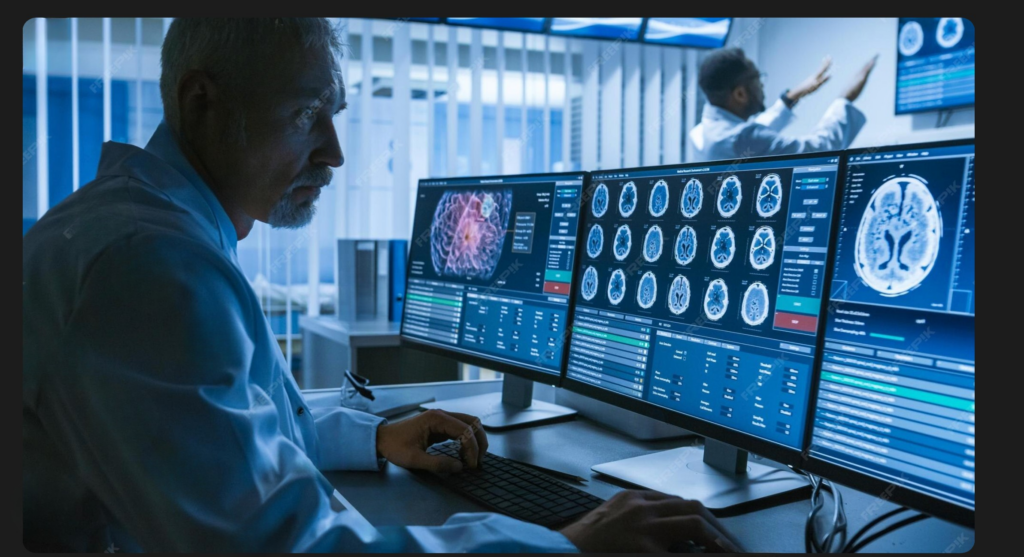
Each layer of clinical neurological assessment adds another piece to the puzzle, which paints a fuller picture of how the injury has affected the brain and its functions. In fact, one of the most fascinating advancements in this field is Diffusion Tensor Imaging for TBI, which is a specialized MRI technique for mapping the brain’s white matter pathways.
The Science Behind the Diagnosis
A study revealed that as many as 56% of TBIs go undetected in the ER. (Source). That’s a massive gap in diagnosis, and Neuro Experts aim to close this gap through advanced TBI neuroimaging. By examining both structure and function, advanced imaging techniques offer measurable, objective evidence of brain damage, which is particularly critical in forensic cases involving legal or insurance disputes.
This high level of precision doesn’t just support clinical care; it also provides clarity in the courtroom. Whether it’s about verifying the extent of the injury or establishing causation, Neuro Experts combine technology and expertise to ensure that every assessment is backed by science and supported by data.
The Bottom Line
Most people don’t realize this, but the human brain is like a vast city of connections, and after a traumatic event, some of these “roads” might get blocked, rerouted, or broken entirely. Neuro Experts’ forensic TBI analysis combines the best of neurology, psychology, and imaging science to identify these changes and provide patients and professionals with the answers they deserve. In a world where invisible injuries often go unrecognized, their work is helping to make the unseen, seen.